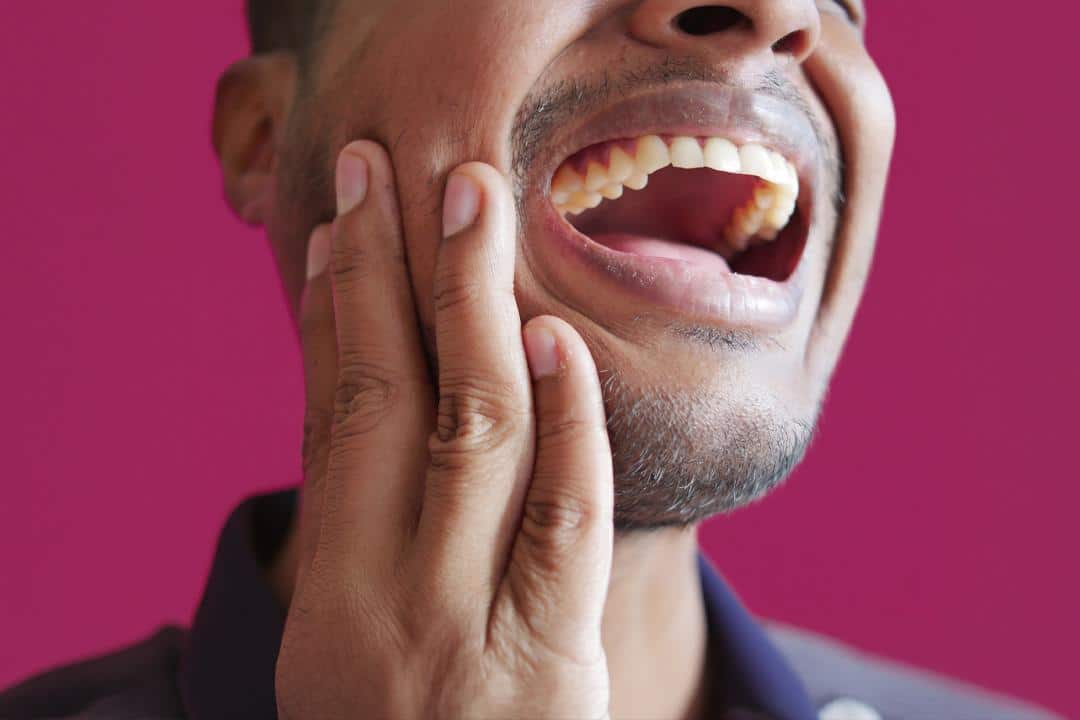
Few things derail your day quite like a toothache. Whether it wakes you at 3 a.m. or hits mid-afternoon, the throbbing can feel unbearable. The good news is that there are safe, effective steps you can take right now to bring the pain down while you arrange proper treatment. This guide answers the most common toothache questions, explains what works (and what doesn’t), and helps you know when it is time to pick up the phone and call a dentist.
Key takeaways
- The fastest safe approach at home is a combination of over-the-counter painkillers (ibuprofen or paracetamol), a cold compress on the cheek, a warm salt water rinse, and keeping your head elevated.
- These measures offer temporary relief only – they do not cure tooth decay, a dental abscess, or a tooth infection.
- Severe pain, facial swelling, fever, or difficulty swallowing are signs of a dental emergency. Seek urgent care immediately.
- If you are in Plymouth or the South West, Eilertsen Dental Care is able to offer same-day advice and emergency dental appointments.
- No home remedy replaces professional dental care. Arrange an appointment as soon as your pain allows.
Understanding toothache and why it feels so intense
A toothache happens when the dental pulp, the soft tissue of nerves and blood vessels deep inside your tooth, becomes irritated or infected. Because enamel and dentine are rigid, there is almost no room for swelling. Even a tiny increase in pressure inside the tooth fires pain signals that can feel sharp, throbbing, and relentless.
Common causes include tooth decay (the most frequent culprit), cracked teeth that expose sensitive inner layers, gum disease that leads to tenderness and discomfort around teeth, a dental abscess caused by untreated infection, loose or failing fillings, teeth grinding, and impacted wisdom teeth that often cause swelling and pain.
While home remedies can reduce the intensity of mouth pain for a few hours, only a dentist can address the underlying cause – whether that means removing decay, performing a root canal, draining an abscess, or restoring damaged teeth. In Plymouth and across the South West, Eilertsen Dental Care can see you the same day when tooth pain is severe.

What is the fastest way to stop a toothache?
The quickest safe approach is to combine several proven measures at once rather than relying on a single remedy.
Over-the-counter (OTC) pain relief. Over-the-counter pain relievers like ibuprofen and paracetamol reduce toothache pain effectively. Ibuprofen is often preferred because it is an anti inflammatory pain reliever that can also reduce swelling. You can alternate the two if one alone is not enough, but always follow the recommended dose on the packet. If there is any doubt seek advice from the pharmacist. Avoid placing pain relievers directly on the gums as it can cause tissue burns.
Hot or Cold compress. Applying a cold compress – an ice pack or bag of frozen peas wrapped in a cloth – to the cheek near the affected tooth for 10–15 minutes helps reduce inflammation, constrict blood vessels, and numb nerve endings. Cold compresses can alleviate tooth pain temporarily and are safe to repeat throughout the day. Some patients also feel relief from the use of heat adjacent to the affected area – a wrapped hot water bottle helps.
Warm salt water rinse. Dissolve half a teaspoon of salt in a glass of warm water and swish gently around the sore tooth for 30 seconds, then spit. Warm saltwater rinses help reduce inflammation and act as a natural disinfectant, clearing debris and bacteria from the affected area. Avoid this for children younger under roughly six years old, who may swallow the solution.
Keep your head elevated. Prop yourself up with extra pillows, especially at night. This simple step reduces blood pooling in the head and can relieve toothache noticeably.
Quick do-and-don’t guide
- Do use licensed over-the-counter painkillers at their stated doses, seek the advice of the pharmacist.
- Do eat soft foods and avoid very hot, cold, or sugary items on the painful side.
- Don’t apply neat aspirin, undiluted hydrogen peroxide, or strong chemicals directly onto the tooth or gums.
- Don’t ignore worsening swelling or fever.
If pain is severe and keeps returning as soon as medication wears off, or interferes with your ability to fall asleep, contact Eilertsen Dental Care – the emergency dentist in Plymouth, without delay.
What kills a tooth infection fast?
No home remedy can kill a tooth infection. Once bacteria reach the dental pulp or form an abscess around a root, professional dental care is the only reliable solution.
Dental abscesses cause severe throbbing pain due to infection, and treatment usually involves draining the pus – either through root canal access, incision, or extraction of the tooth. Antibiotics may be prescribed when infection is spreading (facial swelling, fever, swollen lymph nodes), but UK dental guidance stresses that antibiotics support treatment rather than replace it. Common first-line antibiotics include amoxicillin or phenoxymethylpenicillin for three to five days.
Ignoring a tooth infection risks serious complications including cellulitis, airway compromise, and, rarely, hospital admission. While waiting for your appointment, continue taking pain medications as directed, apply a hot or cold compress, keep your head elevated, and avoid hot food or alcohol rinses. Do not attempt to pierce or lance the abscess yourself, and never rinse with neat hydrogen peroxide, undiluted apple cider vinegar, or bleach.
If you suspect a dental abscess – look for swelling, warmth, tenderness, or a foul tasting discharge from the tooth – book an emergency appointment as soon as possible.
What is the 3 3 3 rule for toothache?
The so-called “3 3 3 rule for toothache” circulates widely on social media. It typically suggests taking three ibuprofen tablets (600 mg), three times a day, for three days. This is not medically safe or recommended.
That schedule delivers 1,800 mg of ibuprofen per day, which exceeds the UK over-the-counter limit of 1,200 mg per day. Taking more than the recommended dose of any anti inflammatory medicine increases the risk of stomach bleeding, kidney strain, and cardiovascular problems. Overusing paracetamol, meanwhile, risks serious liver damage.
A safer rule of thumb: follow packet instructions exactly, never take doses closer together than advised, and speak to a pharmacist if you are unsure. If pain lasts more than a day or two, or you find yourself counting the minutes until your next dose, that is your body telling you the problem needs a dentist – not more tablets.
Over-the-counter painkillers provide temporary relief, not a permanent solution. Toothache that demands constant pain relief is a clear signal to arrange urgent care rather than continue self-medicating.
How do you calm nerve pain in your tooth?
Nerve pain in a tooth usually stems from deep decay, a crack, or trauma that has reached or irritated the dental pulp. Definitive treatment might be a filling, root canal, or extraction, depending on the damage.
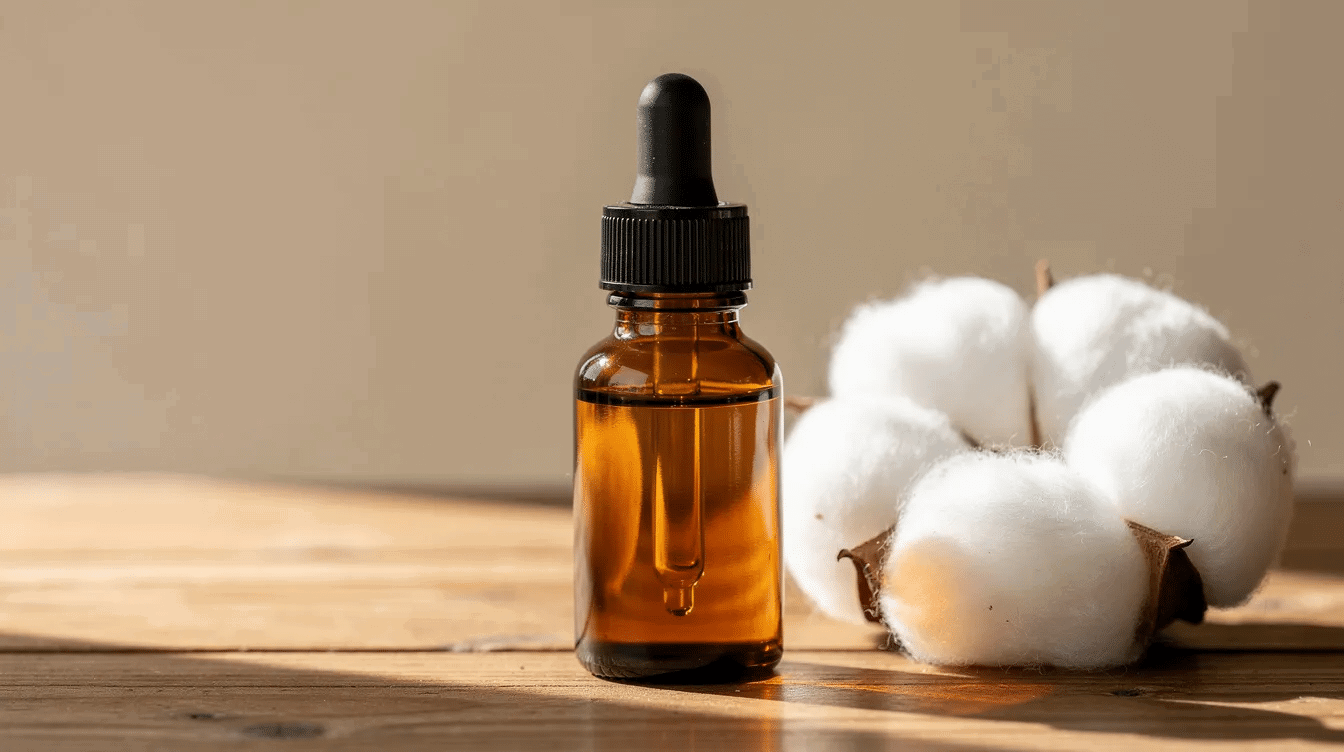
Short-term calming strategies include taking ibuprofen or paracetamol at the recommended dose, holding a hot or cold compress against the cheek, and avoiding chewing on the affected tooth. Keeping the area clean with gentle brushing using fluoride toothpaste – and possibly a desensitising paste for sensitive teeth – can reduce irritation. Lukewarm salt water rinses soothe inflamed gums without triggering tooth sensitivity. Clove oil can provide temporary relief for toothache thanks to its active compound eugenol, which has anti inflammatory properties and antibacterial and antioxidant activities. Dilute a small amount, apply it to a cotton ball, and dab gently on the gum near the painful tooth. Avoid swallowing, and do not use clove oil on children younger than recommended without professional advice.
Chewing garlic can help numb tooth pain due to its antibacterial properties, though many people find the taste unpleasant. Some sources from alternative medicine traditions also suggest a used tea bag (particularly peppermint) pressed gently against the gum for mild soothing.
Do not put aspirin, neat hydrogen peroxide, bleach, or strong alcohol directly on the tooth. These can burn soft tissue and worsen the problem. Persistent nerve pain is a strong sign that the pulp is damaged and needs assessment – book an assessment with Eilertsen Dental Care for evaluation and, if needed, root canal or other treatment.
Why is toothache worse at night?
If your aching tooth seems to flare the moment you get into bed, you are not imagining it. Tooth pain often worsens at night due to increased blood flow to the head when you lie flat. With less venous drainage, pressure builds inside inflamed tissues, turning a dull ache into pronounced throbbing. Toothache at night is one of the most common reasons people search for emergency dental help.
The quiet of night matters too. During the day, work, conversation, and activity act as distractions. At night, with fewer stimuli, your brain focuses more on pain signals. Natural drops in cortisol (a hormone that helps manage inflammation) also lower your pain threshold after dark.
Teeth grinding or jaw clenching during sleep, known as bruxism, can aggravate cracked teeth or inflamed gums, adding another layer of acute dental pain.
Night-time tips:
- Sleep with your head elevated on extra pillows. Sleeping with your head elevated can reduce tooth pain at night.
- Take pain relief 30–60 minutes before bed so it is working as you try to fall asleep.
- Use a cold compress on the cheek for 10 minutes before lying down.
- Avoid sugary snacks and acidic drinks close to bedtime.
If you experience difficulty swallowing, swelling under the tongue or near the eye, high fever, or trouble breathing at night, seek emergency medical attention immediately. For ongoing toothache pain that keeps disrupting sleep, contact Eilertsen Dental Care, the emergency dentist in Plymouth.
What drink helps with a toothache?
No drink can cure dental pain, but choosing the right one can avoid making things worse.
Cool or lukewarm water is the safest option one that is hydrating, non-irritating, and unlikely to trigger sensitivity. Peppermint tea, once cooled, offers mild anti inflammatory effects from menthol and can feel soothing. You can swish the cooled tea gently around the affected area before swallowing or spitting it out.
Rinsing with salt water can reduce toothache pain and support oral health, though it is a rinse rather than a drink. A simple mix of half a teaspoon of salt in warm water, swished and spat out, is one of the oldest and most effective natural remedies for mouth discomfort.
Avoid very hot drinks, ice-cold beverages, sugary fizzy drinks, and acidic fruit juices. Undiluted apple cider vinegar, sometimes promoted online, is too harsh and can erode enamel and irritate red gums. While swishing alcohol can temporarily numb tooth pain, strong spirits dry out tissues, irritate soft tissue, and offer no real benefit for infection. Hydrogen peroxide can be used as a mouth rinse for pain relief when properly diluted, but neat or strong concentrations risk chemical burns, so most dentists advise sticking with salt water instead.
If you find yourself relying on drinks or rinses just to get through the day, that is a clear sign you need to see a dentist promptly.
How to numb a tooth at home
Many people search for ways to relieve tooth pain quickly at home, especially when dental surgeries are closed. Eilertsen Dental Care is open 6 days a week but if the problem comes on a Sunday, safety comes first.
Safe options:
- Licensed numbing gel (benzocaine-based, available from pharmacies) applied to the gum near the affected tooth as directed. Avoid use in children younger than two.
- A cold compress on the cheek to numb the area externally.
- Ibuprofen or paracetamol taken at the correct dose to relieve pain centrally.
- Diluted clove oil on a cotton ball, dabbed on the gum – clove oil’s eugenol content works as a mild local anaesthetic with anti inflammatory effects.
- A cool salt water rinse to calm inflamed gums.
What to avoid: Never apply aspirin tablets to the gum, use neat hydrogen peroxide, bleach, household cleaners, or undiluted apple cider vinegar on the tooth. These cause tissue damage, not toothache relief.
Numbing is only a temporary measure. If your pain is strong enough that you need constant numbing, it is time for professional dental care. Eilertsen Dental Care in Plymouth can advise through an assessment or by phone what is safe for your specific situation while you wait for an emergency dental appointment.
When to see a dentist in Plymouth
Toothache is common, but it should never be ignored when it starts interfering with eating, sleeping, or work. Seek immediate dental care if tooth pain is accompanied by fever or swelling, and watch for these additional signs:
- Severe pain lasting more than a day
- Facial swelling or warmth around the jaw
- Difficulty swallowing or breathing
- A foul tasting discharge from around a tooth
- Pain after trauma to the mouth
- Food stuck deep in a cavity or crack causing ongoing discomfort
- Sensitivity spreading to other teeth
A dental abscess is an emergency. Typical symptoms include localised swelling, tenderness, throbbing, and sometimes pus. Without treatment, infection can spread to surrounding tissues.
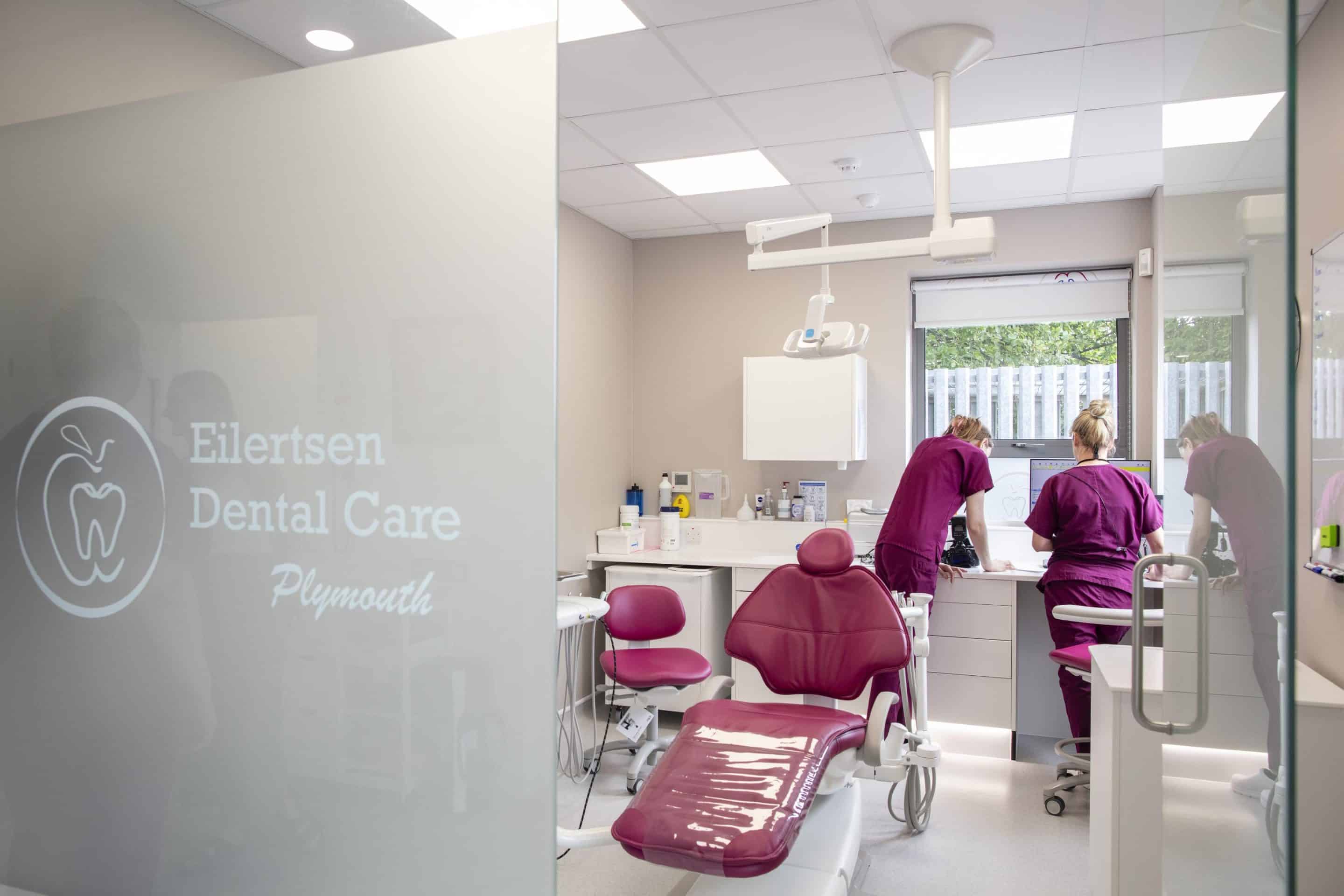
Eilertsen Dental Care is a private dental practice in Plymouth offering emergency appointments and same-day advice whenever possible. The team is known for modern technology, patient-centred care, and experienced clinicians who prioritise comfort and clear explanations. Even if you do not have a regular dentist in the South West, you can contact the practice for urgent toothache help.
Long-term prevention: protecting your teeth from future toothache
The best “fast cure” for toothache is preventing it in the first place.
Daily habits:
- Brush twice a day with fluoride toothpaste and use dental floss or interdental brushes to clean between teeth.
- Use mouthwash at a different time from brushing so fluoride has time to work.
- Book regular dental hygiene appointments – professional cleaning removes the plaque and biofilm that cause gum disease and tooth decay.
Diet: Limit sugary snacks, acidic drinks, and frequent grazing. Water and milk are kinder to enamel than juice or fizzy drinks.
Early treatment: Addressing small problems early – a tiny cavity, a chip, a worn filling – prevents severe tooth pain later. For chipped or worn teeth, composite bonding restores strength and appearance. For missing teeth that destabilise your bite, dental implants offer a long-term, comfortable replacement.
For more oral health tips and updates, read more dental advice on our blog.
FAQ: Fast toothache relief and safety
Below are extra practical questions focused on safety and everyday situations that the main sections above may not have covered in full.
Can I go to work with a toothache, or should I stay home?
Mild, occasional toothache may allow you to work, but severe pain, facial swelling, or difficulty concentrating are signs to prioritise a dental visit. If your job involves driving or operating machinery, be aware that some pain medications can cause drowsiness. Delaying care often leads to more time off later as the problem worsens.
Is it safe to exercise if I have a bad toothache?
Gentle activity is usually fine, but intense exercise increases blood flow and can make throbbing dental pain feel noticeably worse. Avoid strenuous workouts if you have severe pain, facial swelling, or fever. Prioritise rest, hydration, and arranging a dental assessment. A sinus infection can sometimes mimic tooth pain in the upper jaw – if you are unsure of the cause, speak to a healthcare professional.
What can I do for a child with toothache at night?
Give age-appropriate pain relief (children’s ibuprofen or paracetamol) following dosing instructions carefully. A cool compress on the cheek can help. Avoid salt water rinses in very young children due to swallowing risk, and do not use clove oil, adult-strength gels, or strong mouthwashes without dental advice. Arrange a prompt appointment the next day, or seek urgent help if there is swelling, fever, or the child seems very unwell.
Can pregnancy make toothache more likely or more painful?
Hormonal changes during pregnancy can increase gum sensitivity and the risk of gum disease, sometimes leading to dental pain that feels new or worse than usual. Paracetamol is generally considered safe during pregnancy, while ibuprofen is usually avoided in the third trimester. See a dentist promptly rather than waiting until after birth, and always mention your pregnancy stage so treatment can be adapted safely.
How long is it safe to rely on painkillers before seeing a dentist?
Painkillers are for short-term pain relief only. If you have needed regular doses for more than 48 hours for the same toothache, that is a strong signal that professional treatment is overdue. Never exceed the recommended dose or combine different painkillers without advice from a pharmacist or GP.
Ready to get help for toothache in Plymouth?
Home measures can provide temporary relief, but they cannot replace proper dental care for tooth decay, gum disease, or a dental abscess. Eilertsen Dental Care in Plymouth offers modern, patient-centred treatment including emergency appointments, restorative care, composite bonding, and dental implants where appropriate.
If you are in pain now, call the practice or visit the emergency dental care page to arrange help. Even if the pain eases on its own, booking a check-up can prevent future emergencies and protect your long-term oral health. Prompt professional care is always the safest and fastest route to lasting toothache relief.
