
Key Takeaways
- Implant-retained overdentures are removable dentures that clip onto dental implants surgically placed in the jaw, providing far greater stability and comfort than traditional dentures.
- Eilertsen Dental Care in Plymouth offers implant-retained overdentures as a secure, long-lasting alternative to traditional removable dentures.
- Titanium implants often last 10–20 years or more, while the overdenture components (teeth, base, and attachments) may need replacing or updating every 5–10 years.
- Costs depend on the number of implants and case complexity, but finance options and transparent pricing are available.
- Most patients should remove their implant-retained dentures at night for cleaning and gum health. Contact the practice for a personalised assessment.
Introduction: What Are Implant‑Retained Overdentures?
If you have missing teeth and wear removable dentures, you already know the frustrations: slipping during meals, sore spots on the gums, and the constant worry that your denture might shift when you laugh or speak. Implant-retained overdentures are designed to solve these problems. They are removable dentures that clip onto small dental implants placed in your jawbone, locking the denture firmly in place and drastically reducing movement.
Unlike traditional dentures that rely on suction and denture adhesive to stay in place, implant-retained overdentures use 2–6 dental implants for stability. The term “implant retained” simply means the implants hold the denture securely. Common attachment types include stud or ball attachments and slim bar systems, both of which allow you to remove the denture yourself for cleaning.
Eilertsen Dental Care is a private dental practice in Plymouth offering advanced implant dentistry, including implant-retained overdentures. With experienced clinicians and modern technology, the practice helps patients regain confident eating, speaking more easily in social situations, and long-term value compared with conventional dentures.
How Do Implant‑Retained Overdentures Work?
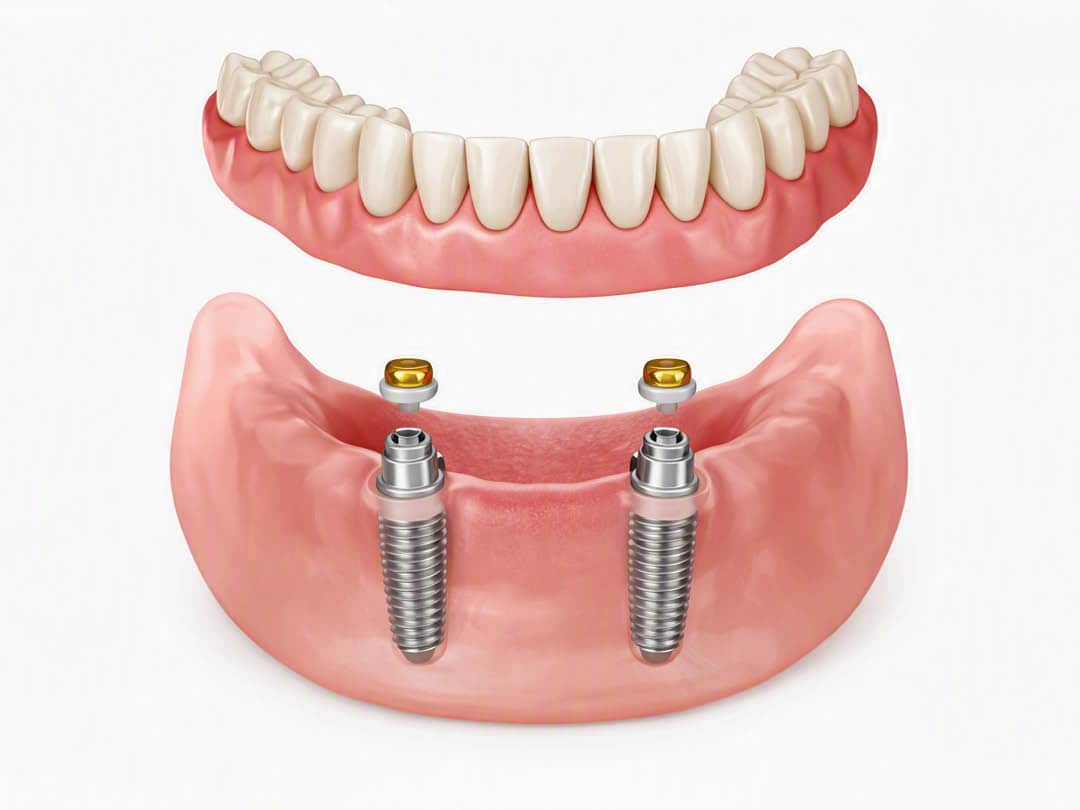
The system has two main parts: small titanium implants embedded in the underlying jawbone, and a removable overdenture that attaches to them. These titanium screws act as artificial tooth roots, providing a foundation that implant-supported dentures attach directly to.
For the lower jaw, most patients need two to four implants. The upper jaw sometimes requires more because the bone tends to be softer. Once healed, the overdenture snaps or clips onto the implant abutments, eliminating the rocking and rubbing that loose removable dentures cause.
It is worth understanding the difference between implant-retained overdentures and fully fixed dentures. Implant-supported dentures can be either fixed or removable. Fixed dentures stay in place permanently and can only be removed by a dentist, while overdentures are removable by the patient for daily cleaning. Despite being removable, implant-retained overdentures feel far more secure than traditional dentures and usually need little or no denture adhesive.
Implant‑Retained vs Traditional Removable Dentures
Many long-term denture wearers in Plymouth reach a point where conventional dentures no longer feel adequate, especially as the jawbone begins to shrink over time. Here is how the two options compare:
| Feature | Traditional Removable Dentures | Implant‑Retained Overdentures |
|---|---|---|
| Retention | Rest on gums, rely on suction and muscle control | Held securely by implants, minimal movement |
| Bite strength | Reduced; ill fitting dentures slip under load | Restore significantly more bite force |
| Bone preservation | Do not stimulate the jawbone, leading to bone resorption | Help prevent bone loss and maintain facial structure |
| Adhesive needed | Often required | Rarely needed |
| Upfront cost | Lower | Higher, but often more cost effective over time |
| Maintenance | Frequent relining and replacement | Attachment inserts may need periodic replacing |
Because implants stimulate the bone, they help slow bone loss and can preserve your facial structure better than standard removable dentures. Traditional dentures do not stimulate the jawbone and can lead to bone resorption, which gradually changes your appearance and makes denture fit worse over time. While implant-retained overdentures generally have a higher upfront cost than traditional dentures, they often need fewer major adjustments and can be a more cost-effective solution in the long run.
How Long Do Implant‑Retained Dentures Typically Last?
So, how long do implant-retained dentures typically last? The answer depends on which part you are asking about, because implants and dentures have different expected lifespans.
Titanium dental implants in healthy patients often last 10–20 years or longer. A 20-year retrospective study of nearly 650 implants reported a survival rate of 95.3% overall. With proper care, many clinicians consider implants a long-term or even lifetime solution.
The removable overdenture itself – the fake teeth and acrylic base – typically lasts around 5–10 years before it may need replacing, relining, or refurbishment due to natural wear, gum tissue changes, and attachment fatigue. Conventional dentures may also need periodic relining or complete replacement, so ongoing maintenance is a reality with any denture.
Factors that influence longevity include:
- Oral hygiene and meticulous daily cleaning.
- Smoking status.
- General health (e.g. uncontrolled diabetes).
- Diet and chewing habits.
- Attending your dentist regularly for check-ups.
At Eilertsen Dental Care in Plymouth, patients are placed on a tailored recall schedule so the friendly team can monitor implants, clips, attachments, and denture fit to maximise lifespan.
What Do Implant‑Retained Dentures Cost?
What do implant-retained dentures cost? The honest answer is that the final figure is personalised after a full assessment, because several factors influence pricing.
Key cost drivers include:
- Number of implants required – a lower jaw implant denture on two implants costs less than a full arch restoration on four or six.
- Type of attachment system – stud, bar, or locator designs each carry different dental laboratory fabrication costs.
- Bone grafting or gum treatment – patients with significant bone loss may need additional oral surgery before dental implant placement.
- Complexity of the smile design – the most common type of overdenture uses high-quality acrylic teeth from a dental lab, but material choices vary.
Implant-retained dentures cost around £7,500 on average in the UK, Fees typically cover diagnostic planning (including scans), implant placement surgery, all review appointments, and the custom-made overdenture.
Eilertsen Dental Care offers transparent pricing with written treatment plans, plus dental finance options – including 0% APR over 12 months – to spread the cost. To explore your dental implants at Eilertsen Dental Care, the practice provides a detailed breakdown before any treatment begins so there are no surprises.
Are Implant‑Retained Dentures Any Good?
Are implant-retained dentures any good? In a word, yes – and the clinical evidence backs that up. A five-year comparative study found that patient satisfaction scores improved dramatically with implant overdentures, with quality-of-life measures dropping from approximately 38 to 8 on the OHIP-14 scale, compared with scores of around 24 for conventional dentures.
Core benefits include:
- Implant-retained dentures improve chewing stability significantly, letting you eat a wider range of foods.
- They significantly reduce movement during eating and speaking.
- They help preserve jawbone and facial structure over time.
- A more natural-looking smile with a complete replacement of the entire arch.
- Greater confidence – no more worrying about dentures slipping during meals, conversations, or laughter.
Eilertsen Dental Care’s experience with implant dentistry in Plymouth, combined with a gentle, patient-centred approach, makes the practice a strong choice for nervous or previously disappointed denture wearers looking for treatment options that genuinely improve daily life.
Can You Sleep in Implant‑Retained Dentures?
Can you sleep in implant-retained dentures? Most patients are advised to remove their overdentures at night. The Oral Health Foundation’s Denture Care Guidelines recommend not keeping removable dentures in the mouth overnight to reduce the risk of fungal infections such as denture stomatitis, gum irritation, and poor gum tissue health.
The implants themselves stay in place permanently – they are titanium implants integrated with your jawbone. But the overdenture is designed to be taken out for daily cleaning and overnight storage.
Simple hygiene advice for many patients:
- Rinse the overdenture after meals.
- Brush it gently with a soft toothbrush and non-abrasive cleaner (avoid regular toothpaste, which can scratch acrylic).
- Clean carefully around the implant posts or bar using a small brush or water flosser.
- Soak the denture overnight in a cleansing solution.
Implant-retained overdentures require meticulous daily cleaning around the implants and the denture to keep everything healthy. At Eilertsen Dental Care, the clinical team gives tailored guidance on whether occasional overnight wear is acceptable in special circumstances.
The Treatment Journey at Eilertsen Dental Care in Plymouth
The typical treatment pathway runs from first consultation through to fitting the final implant-retained overdentures:
- Initial assessment – full dental and medical history, oral examination, and 3D imaging. We take radiographs (such as CBCT scans) to assess bone quality and then carry out treatment planning. We place implants with pilot guides to locate the implant precisely.
- Dental implant placement – a surgical procedure carried out under local anaesthetic. The appointment lasts between 1 and 2 hours and sedation is available for anxious patients where appropriate. An experienced oral surgeon or implant clinician performs the surgery.
- Healing period – usually 3 – 6 months, depending on if grafting has been required, during which the implants integrate with the jawbone. Temporary dentures or existing dentures are often adjusted so patients are never left without teeth.
- Fitting – the custom overdenture is placed, the bite is fine-tuned for natural appearance and comfort, and clear aftercare instructions are provided, including review appointments.
Who Is a Suitable Candidate for Implant‑Retained Overdentures?
Many full or partial denture wearers can be considered for implant-retained solutions, but a full assessment is essential. A suitable candidate typically has:
- Enough bone volume and density in the jaw – candidates need sufficient bone density for implants
- Healthy gums free from active gum disease.
- Good general health, which is crucial for implant candidates.
- A willingness to reduce or stop smoking, since smoking significantly reduces implant success rates.
- Realistic expectations about the procedure, recovery time, and ongoing maintenance.
Patients who have worn traditional removable dentures for many years may have experienced bone loss. Bone grafts may be required for patients with resorption before implant placement can proceed. Certain medical conditions such as uncontrolled diabetes can affect implant suitability and healing, and will be carefully evaluated by the clinicians at Eilertsen Dental Care.
If you are unsure whether you are a suitable candidate, book a consultation in Plymouth to explore your options in detail.
Recovery Time, Aftercare, and Day‑to‑Day Life
Recovery time after dental implant placement is usually straightforward. Most patients return to normal daily activities within a few days, although the implants continue to heal and integrate with the jawbone over several weeks.
Normal post-operative experiences include mild discomfort, swelling, and bruising – all manageable with simple pain relief and the instructions provided. In the initial days, a soft diet is recommended, along with careful cleaning around the implant sites and avoiding smoking.
Everyday life with implant-retained dentures feels stress-free for most patients: greater confidence when eating and talking, minimal need for adhesive, and a simple routine of removing and cleaning the overdenture daily. With proper care, your implant-retained dentures can last decades. The team at Eilertsen Dental Care offers ongoing support and maintenance appointments to keep both the dental implants and overdentures performing at their best.
About Eilertsen Dental Care in Plymouth
Eilertsen Dental Care is a private dental practice based in Plymouth, serving patients from the city and surrounding areas of Devon. The practice focuses on advanced implant and restorative dentistry, including implant-retained overdentures, fixed dentures, and single-tooth dental implants for individual tooth loss.
Modern technology – including digital scans and 3D imaging – high-quality materials sourced from a trusted dental laboratory, and evidence-based techniques help deliver predictable results. The patient-centred ethos means unhurried consultations, clear explanations, bespoke treatment plans, and dedicated support for anxious or nervous patients. The clinical team has extensive experience in dental implant placement and restorative planning, allowing complex cases to be managed in-house where appropriate. This is a practice built around its friendly team and a commitment to advanced dentistry.
Final Thoughts
Implant-retained overdentures combine dental implants with removable dentures to create a secure, comfortable solution for missing teeth. They offer improved stability, easier eating and chewing, enhanced facial support, and greater day-to-day confidence compared with traditional removable dentures – making them an affordable option when measured against years of relining, replacing, and adjusting conventional dentures.
Suitability, costs, and recovery time are highly individual and best discussed during a personalised consultation. Whether you are new to dentures or have worn them for years, the right assessment will clarify exactly what is possible for your mouth and jaw.
Contact Eilertsen Dental Care in Plymouth to discuss implant-retained overdentures and restore your smile with confidence. Phone, complete an online enquiry form, or book online to arrange your initial appointment and begin planning your treatment.
Frequently Asked Questions
Do implant-retained overdentures feel like natural teeth?
While they are still removable dentures rather than natural teeth, the added stability from dental implants makes them feel much closer to your own teeth than traditional dentures. Most patients report being able to chew more comfortably and speak more clearly once they have adjusted. The secure fit means you can eat foods that would be difficult or impossible with conventional dentures.
Will people be able to tell I am wearing implant-retained dentures?
Modern overdentures are designed to look like natural teeth and gums, with careful attention to shape, colour, and smile line at the dental lab stage. In everyday life, most people will not be able to tell you are wearing retained dentures unless you choose to tell them.
How many dental appointments will I need?
The typical journey involves an initial consultation, a planning and scan visit, the dental implant placement appointment, one or more review visits during the healing period, and several appointments for impressions, try-ins, and fitting of the final overdenture. Eilertsen Dental Care will provide a personalised timetable so you know what to expect at each stage.
Are implant-retained overdentures easy to keep clean?
Good hygiene is straightforward once the dental team shows you the correct technique. The routine involves removing the overdenture daily for brushing, cleaning around the implant posts or bar with a soft toothbrush or water flosser, and attending regular hygienist visits to help protect the implants and gums.
Can I switch from my existing dentures to implant-retained overdentures?
Many patients who already wear removable dentures can be successfully converted to implant-retained overdentures, subject to bone levels and general health. Book an assessment at Eilertsen Dental Care in Plymouth to find out if your current dentures can be adapted or whether new overdentures would be recommended.