
Dentistry is widely recognised as a physically demanding profession. Dentists, dental practitioners, dental hygienists, and the wider dental team routinely work in challenging working positions, often for extended periods, focusing on a small treatment area within the patient’s mouth. These demands place the human body under considerable strain, increasing the risk of musculoskeletal disorders, persistent pain, and long‑term musculoskeletal problems.
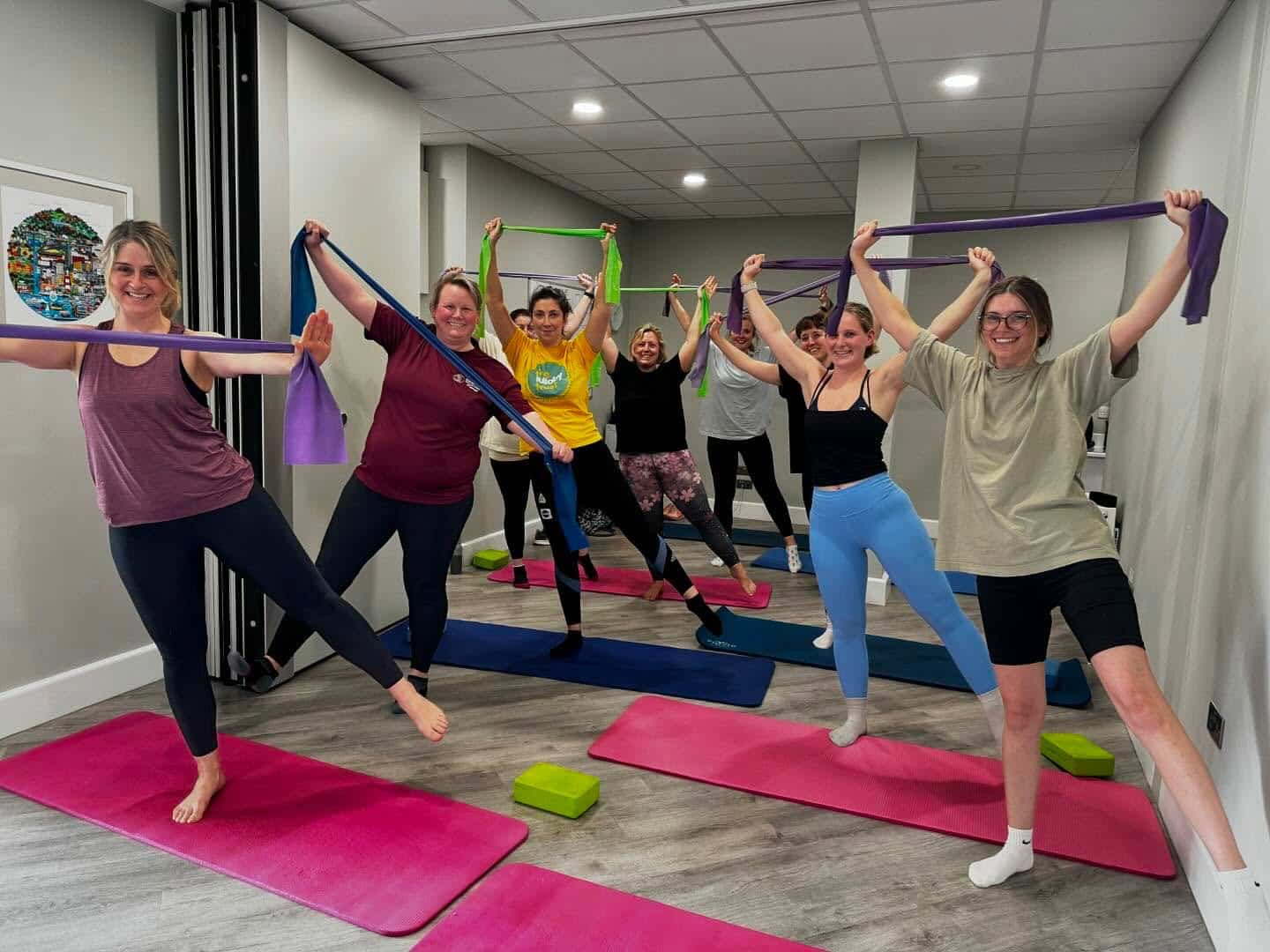
At Eilertsen Dental, staff wellbeing is a priority. One approach we actively recommend as part of our wellbeing support strategy is pilates. There is growing evidence that pilates for dentists can help improve posture, reduce musculoskeletal pain, and support long‑term health across the dental profession.
Why dentistry places dentists at high risk of pain and injury
Dentistry requires precision, concentration, and sustained visual focus. Many dentists and dental practitioners work in static positions, frequently adopting a seated position or leaning forward with the head, neck, and shoulders held in awkward alignment. Over time, this leads to poor posture, bad posture, and uneven loading of the spine, joints, and surrounding muscles.
A growing body of evidence, including systematic review and literature review findings, shows that musculoskeletal issues are among the most common occupational problems in dentistry. These include:
- Neck, shoulders, and upper back pain
- Lower back discomfort and spinal tension
- Wrist, hand and arm strain, including carpal tunnel syndrome
- Reduced joint mobility and muscular imbalances
These musculoskeletal injuries do not just affect comfort at work. Over time, unresolved musculoskeletal disorders can lead to reduced clinical capacity, increased stress, time away from practice, and in some cases even early retirement from the profession.
The importance of posture in dental practice
Maintaining good posture is essential for protecting the body during dental work. However, the reality of the dental office means that achieving correct posture and correct working posture is often difficult.
Common challenges include:
- Leaning towards the patient’s mouth
- Prolonged sitting with limited movement
- Elevated arms and unsupported upper body
- Repetitive movements of the hands and wrists
Over time, these habits reinforce poor posture and create muscular imbalances, particularly in the back muscles, torso, and stabilising muscle groups around the spine. Without intervention, this can lead to chronic pain, reduced muscle activity efficiency, and a higher risk of injury.
How pilates supports dental professionals
Pilates is a low‑impact, evidence‑based form of regular exercise that focuses on controlled movement, breathing, strength, and body awareness. For dental professionals, pilates for dentists offers targeted benefits that directly address the physical demands of clinical work.
Key benefits of pilates for the dental team include:
- Helping to improve posture and promote good posture
- Strengthening deep stabilising muscles that support the spine
- Improving joint mobility and flexibility
- Reducing tension in the neck, shoulders, and back
- Addressing muscular imbalances caused by repetitive work
- Supporting better working posture and working position
- Increasing body awareness to reduce bad posture habits
Unlike high‑impact sports, pilates focuses on controlled, symmetrical movement that supports the body rather than overloading it. This makes it particularly suitable for dentists, practitioners, dental students, and colleagues returning to work after injury or discomfort.
Pilates, posture and pain reduction
One of the most important outcomes of pilates is improved posture. By strengthening the core and improving control of the torso, pilates helps dental professionals maintain a more neutral spinal position during clinical procedures.
Better posture leads to:
- Reduced pain in the neck, shoulders, and lower back
- Less strain on joints and soft tissues
- Improved endurance during long clinics
- Increased comfort when working with patients
For professionals who spend hours sitting or leaning forward, pilates retrains the body to move efficiently, supporting long‑term health and wellbeing.
Carpal tunnel syndrome and upper limb strain in dentistry
Carpal tunnel syndrome is recognised as one of the most common occupational conditions among dentists and dental practitioners. Repetitive movements, static wrist positions, and unsupported arms place excessive load on the joints and nerves of the upper limb.
By improving alignment, muscle balance, and joint mobility, pilates can help reduce risk factors associated with wrist and forearm pain. When combined with ergonomic adjustments and awareness of working conditions, pilates forms a valuable part of a broader support strategy for preventing upper limb injury.
Supporting staff wellbeing in dental practice
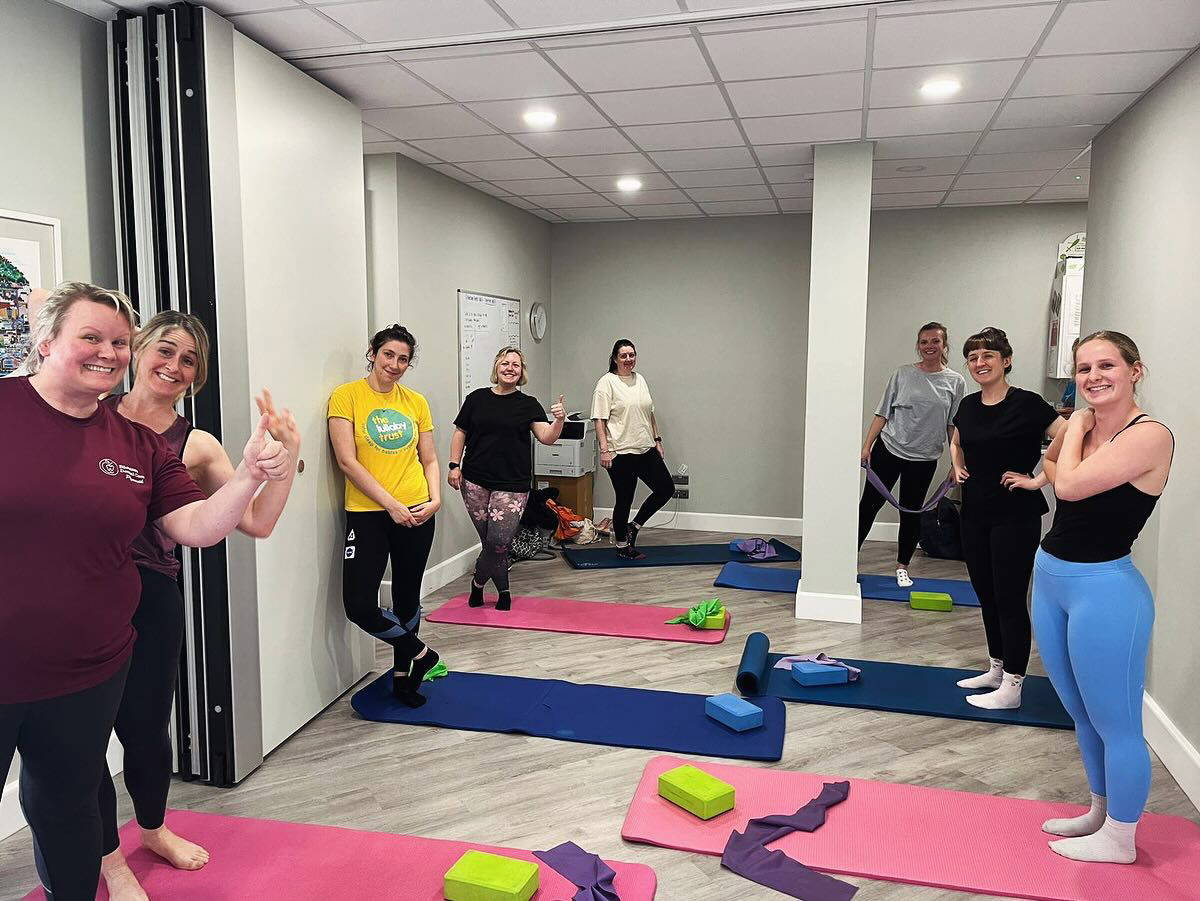
At Eilertsen Dental Care, staff wellbeing goes beyond clinical excellence. We believe it is essential to provide access to meaningful wellbeing support and resources that help our dental team thrive both physically and mentally.
Encouraging pilates or complementary activities such as yoga:
- Helps colleagues manage stress
- Supports long‑term health
- Reduces work‑related pain
- Encourages professionals to seek support early rather than working through discomfort
By raising awareness of posture, movement, and self‑care, dental teams can reduce the risk of long‑term musculoskeletal disorders and support sustainable careers in dentistry.
Encouraging early action and ongoing support
Too often, dentists ignore early signs of pain or discomfort, continuing to work through symptoms until injury becomes unavoidable. Being aware of posture, movement, and workload is critical.
We encourage all dental professionals, practitioners, and dental students to:
- Prioritise regular exercise such as pilates
- Review their working posture and working position
- Seek support if experiencing ongoing pain or tension
- Gain access to wellbeing initiatives and professional guidance
Early action can prevent chronic musculoskeletal problems, reduce the likelihood of early retirement, and lead to a healthier, more sustainable career.
A healthier future for dentists and dental teams
The importance of physical wellbeing in dentistry cannot be overstated. With high levels of pain, stress, and risk affecting the profession, proactive solutions are vital.
Pilates for dentists offers a practical, accessible way to support posture, reduce musculoskeletal pain, and protect the body from the long‑term effects of clinical work. By embedding movement, awareness, and support into daily life, dental professionals can care for their own health as effectively as they care for their patients.
At Eilertsen Dental Care, we are proud to support our team with a strong focus on wellbeing, ensuring our colleagues feel supported, valued, and able to deliver the highest standard of care, comfortably and safely, for years to come.