
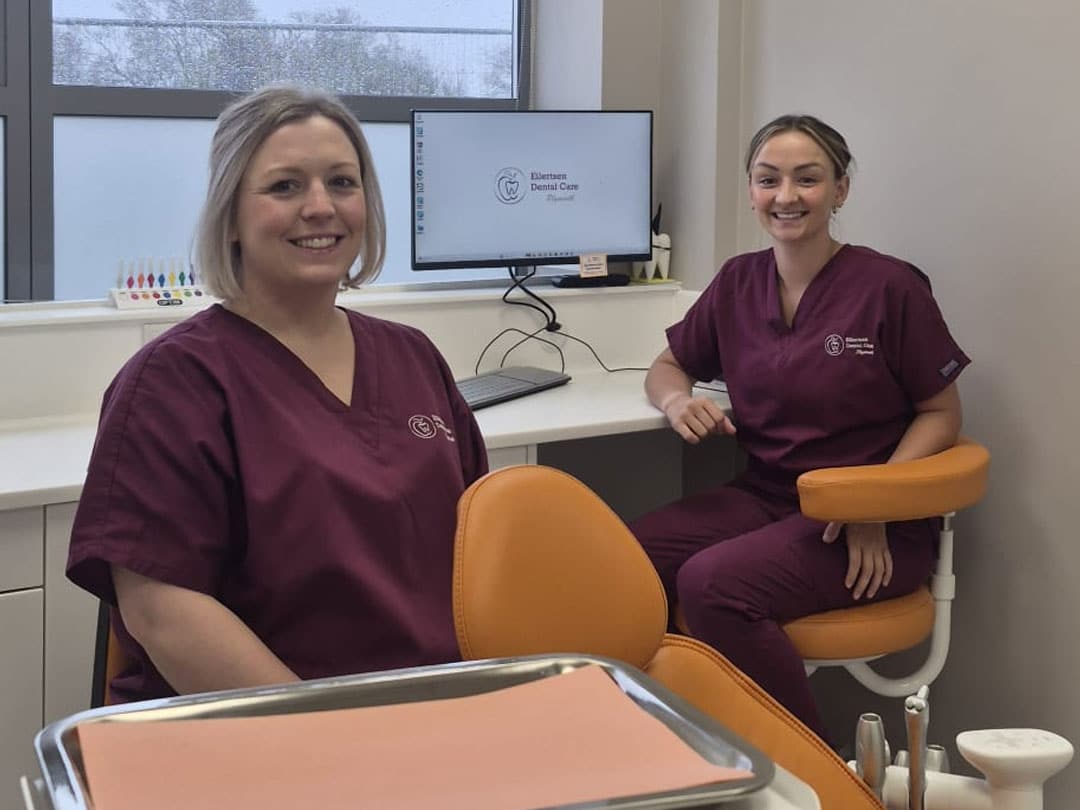
Oral cancer screening is a quick, painless physical examination your dentist or dental hygienist performs during routine check-ups to spot abnormal cells early. They’ll inspect the lips, tongue, gums, cheeks, oral cavity, and oropharynx, and feel the jaw and lymph nodes in the neck. Early findings trigger further tests if needed. While the UK has no national screening programme for mouth and oropharyngeal cancers, dentists routinely check for warning signs, making your regular visits critical for early detection and early diagnosis that lead to successful treatment.
Mouth cancer
Mouth cancer (a type of oral cancer) can affect the lips, tongue, gums, and floor of the mouth. Dentists are on the front line of detecting head and neck cancers, and early detection significantly improves outcomes. There is strong professional guidance and toolkits in the UK to help clinicians recognise oral cancer symptoms, educate about risk factors, and refer promptly.
Oral cancer
Oral cancer most commonly starts as squamous cell carcinoma in the lining of the mouth and throat. These cancer cells differ from normal cells by growing uncontrollably and sometimes spreading to nearby lymph nodes in the neck, a process called metastatic cancer. Recognising the symptoms of mouth cancer early, such as white patches, mouth pain, loose teeth, a mouth ulcer lasting more than two weeks, or ear pain, is vital to treat oral cancer effectively at an early stage.
Developing oral cancer
You can lower the chance of developing oral cancer by addressing risk factors. The biggest risks include chewing tobacco, drinking alcohol (especially both alcohol and tobacco together), HPV infection (human papillomavirus), poor oral hygiene, a weak immune system, and excessive sun exposure linked to lip cancer. Public health guidance highlights prevention, quit tobacco, moderate alcohol, maintain good oral care, use lip sun protection and stay consistent with check-ups to prevent mouth cancer.
Neck cancers
Some head and neck tumours present as neck cancers, and dentists may feel the neck for swollen lymph nodes. If a lump is found, clinicians may order imaging or a fine needle aspiration to sample suspicious tissue. Where appropriate, head and neck surgery or neck surgery may be part of a broader treatment plan coordinated with oncology.
Oral cancer symptoms
Common oral cancer symptoms include:
- White patches (leukoplakia) or red patches that don’t resolve
- Loose teeth without gum disease
- Mouth pain, ear pain, and difficult or painful swallowing
- Persistent mouth ulcer lasting more than two weeks
- Changes in speech, or difficulty swallowing
- Lumps in the jaw bone or salivary glands area
If you notice other symptoms or changes, book an oral cancer exam promptly. Early signs are often subtle, which is why routine checks are essential for early stage detection.
Lip cancer
Lip cancer is frequently related to chronic sun exposure. Use broad-spectrum lip sunscreen, avoid tanning, and schedule regular exams. Early lesions on the lip are often squamous cell in origin and can be managed effectively when caught early.
Human papillomavirus
Human papillomavirus (HPV) increases the risk of oropharyngeal cancers in the head and neck region. UK guidance and professional advocacy have supported vaccination programmes to reduce HPV-related head and neck disease burden. Discuss HPV risks and prevention with your dentist or GP, especially if you have concerns about hpv infection and immune system health.
Cancer treatment
If screening reveals abnormal cells, your dentist will refer you for further tests. Management depends on the cancer’s location and stage and may include head and neck surgery, radiation therapy, and modern options like targeted therapy. In some cases, surgeons may remove lymph nodes if spread to nearby lymph nodes is suspected. A multidisciplinary team tailors a treatment plan to your general health and specific diagnosis to maximise successful treatment.
Fine needle aspiration
A fine needle aspiration is a minimally invasive test used to sample suspicious lumps, often lymph nodes, to check for cancerous cells. It helps confirm diagnosis and guide the next steps without needing an immediate open biopsy.
Drinking alcohol
Heavy drinking alcohol is a clear risk for developing mouth cancer, especially in combination with tobacco. Cutting down alcohol intake significantly reduces your significant risk, and combined lifestyle changes support the immune system and overall outcomes.
Further tests
When your dentist spots something unusual, you may be referred for imaging, fine needle aspiration, or specialist evaluation. These further tests clarify whether you’re dealing with most oral cancers like squamous cell carcinoma, rarer entities such as adenoid cystic carcinoma, or oral cavity cancer confined to early sites. The goal is a timely diagnosis to enable treatment at an early stage oral cancer or early stage mouth cancer, where outcomes are best.
What to do next
- Book a check-up: Make oral cancer screening part of your routine.
- Watch symptoms: Anything lingering more than two weeks deserves an appointment.
- Manage risks: Quit chewing tobacco, reduce drinking alcohol, protect from sun exposure, and maintain oral care.
- Ask questions: Your dentist can explain an oral cancer exam, when to expect further tests, and how UK guidance from professional bodies and health and care excellence resources informs care.
Credible resources
- Cancer Research UK – Screening facts and symptom guidance; no national screening programme details.
- British Dental Association – Dentists’ role, toolkits, and HPV advocacy in head and neck cancers.
- GOV.UK (Delivering Better Oral Health, Chapter 6: Oral cancer) – Prevention, epidemiology, and UK guidance.