
If you’re tired of loose dentures that slip when you talk or eat, implant supported dentures for the lower jaw could be the secure, modern solution. In this guide and in the embedded video, we explain how dental implants stabilise a lower denture, what to expect from implant placement, and the key benefits for comfort, confidence and chewing.
If you are looking for Implants please book here or contact us
Dentures for Bottom Teeth
Many denture wearers struggle with bottom dentures because the tongue, saliva and limited remaining bone can make a lower denture less stable than the upper. If you’re wearing dentures and experiencing sore gums, drifting false teeth, or dentures falling at awkward moments, you’re not alone. The good news is that denture implants can transform day‑to‑day life by providing support and stability where you need it most.
We see patients who feel they must rely on denture adhesives or accept frequent repairs to keep their dentures in place. Today, there’s a better way to replace missing teeth in the lower jaw with confidence.
Dental Implants
Dental implants are small titanium posts that sit in the jawbone and act like roots of natural teeth. Once healed, they integrate with the bone and provide a strong foundation. Attachments called abutments connect the implants to a custom prosthetic—in this case, a stabilised lower denture, so you can talk and chew with far more stability and support than with traditional dentures.
Compared with conventional dentures, implant solutions feel far more secure, help protect jaw bone volume, and allow many patients to eat a wider range of foods with less discomfort. For most people, the procedure is carried out under local anaesthetic with minimal pain reported afterward.
Implant Retained Dentures
Implant retained dentures clip onto a small number of implants placed in the lower jaw. The denture is still removable for easy cleaning, but it locks into place during the day, offering dependable support. This approach is ideal when you want a cost‑effective way to stabilise an existing denture or plan new dentures with improved stability.
Because the denture is removable, hygiene is straightforward: take it out, clean around the abutments and the mouth, then reseat it the same way each time. Our video shows this process step‑by‑step.
Implant Supported Dentures
With implant supported dentures, the prosthetic is designed to distribute forces through the implants and jaw for optimal support. Depending on your case and remaining bone, you might have two, four or more implants in the lower jaw. The more support you have, the more secure the lower denture will feel when you talk, chew and eat.
Some patients prefer a design that feels more fixed during the day, while still being easy to remove at night. Others explore options that are permanently fixed to the implants. We’ll discuss which route suits your treatment goals, anatomy and budget at your initial consultation.
Implant Dentures vs Traditional Dentures
Implant dentures are a modern alternative to traditional dentures for lower teeth. Instead of relying solely on suction, your gums, or denture adhesives, implant dentures connect to implants in the jawbone for dependable support and stability. This reduces movement, speech issues and sore spots compared with purely removable dentures.
By contrast, traditional dentures and conventional dentures sit on the soft tissues and can be affected by ongoing bone changes after tooth loss. Over time, this can alter facial structure, reduce self esteem, and trigger more adjustments.
Denture Implants (Lower Jaw)
For the mandible (the lower jaw), two to four dental implants are commonly used to stabilise a lower denture. The approach preserves bone, helps maintain facial structure, and lets you chew a wider range of foods. Our treatment plans are tailored to your mouth, jaw anatomy and teeth appearance goals so your smile looks natural and feels secure.
If you don’t have enough bone, advanced techniques like bone grafting may be discussed. In the upper jaw, more implants are often needed because the bone there can be softer, but upper dentures can also benefit from implant stabilisation.
Implant Placement: What to Expect
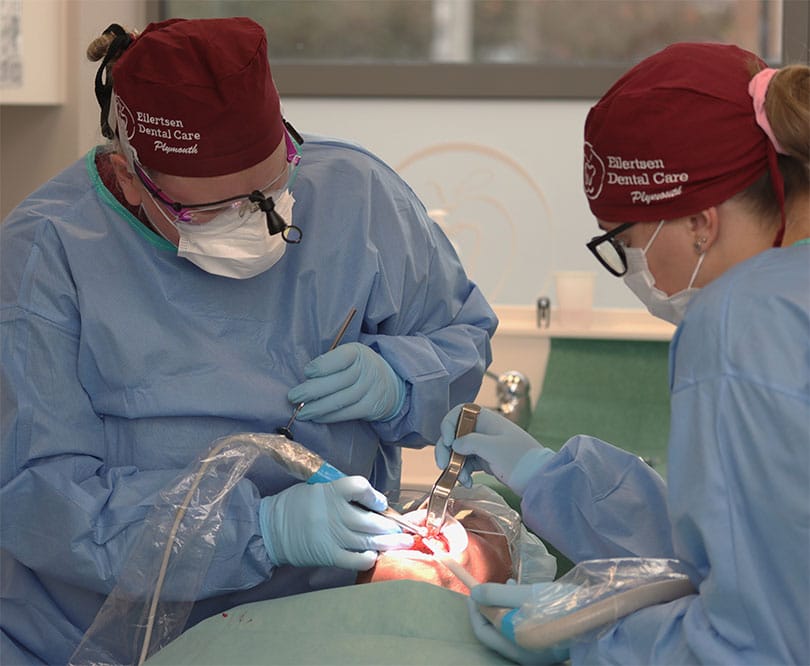
Your journey starts with a thorough consultation, scans to assess jawbone and bone quality, and careful planning of implant placement. On the day of surgery, the procedure is typically completed under local anaesthetic. After placement, the area healed over several weeks as the implants bond with your jawbone. Temporary removable dentures may be used during healing so you can continue daily life.
When healing is confirmed, we attach abutments and fit your stabilised lower denture or new dentures. You’ll leave with a solution that feels much more secure, allowing you to eat, speak and smile with confidence.
Flexible Partial Dentures & Other Options
Not everyone needs a full lower denture. If you have missing teeth in particular areas, flexible partial dentures (also known as flexible dentures) can be considered. They’re softer and can be more comfortable than rigid partial dentures, but they still rely on the soft tissues. If you want maximum support and stability, dental implants remain the gold standard to replace gaps and protect the jawbone against future bone loss.
False Teeth, Clip On Dentures and Overdentures
You may have heard of “clip on dentures” or overdentures—both are common ways to describe implant retained dentures. They’re designed to seat on the implants with a satisfying click, giving a secure feel while remaining easy to remove. These modern dentures look like natural teeth and help restore your beautiful smile.
Whether you call them false teeth, fake teeth, implant dentures or denture implants, the principle is the same: use implants to stabilise dentures so they function more like teeth and less like a loose plate.
Benefits of Implant Retained Lower Dentures
Here are the standout benefits and benefits of implant solutions for the lower arch:
- Dramatically more secure day‑to‑day feel
- Better support and stability when you chew and eat
- Help preserve jaw bone and facial structure
- Reduce sore gums, rubbing and discomfort
- Lower reliance on denture adhesives and fewer frequent repairs
- Natural look for your smile and teeth
Cost, Maintenance and Long‑Term Care
We’ll outline cost clearly at your consultation, including the number of implants, type of prosthetic, and whether any additional treatment is recommended. To keep everything in great condition, visit your dentist and hygienist as advised—ideally see your dentist regularly—and follow our cleaning routine. With good care, implants and implant supported dentures can last many years.
Who Is a Candidate?
You may be suitable if you’re wearing dentures, have missing teeth, or need dentures to replace several lower teeth. Adequate jawbone volume is helpful, but if there isn’t enough bone right now, we’ll assess options to replace teeth safely, including bone grafting where appropriate. After healed integration, implant retained dentures can offer the dependable support you’ve been seeking.
Bottom Line: A More Secure Lower Denture
If you’re frustrated by dentures for bottom teeth, struggling with loose dentures, or tired of constantly adjusting an existing denture, implant supported dentures and implant retained dentures can make the difference. Book a consultation to see the plan that’s right for your mouth, jaw and lifestyle—and don’t miss our video to see how the process works in the clinic.